
Is IV Sedation Dentistry Safe? What Patients Should Know
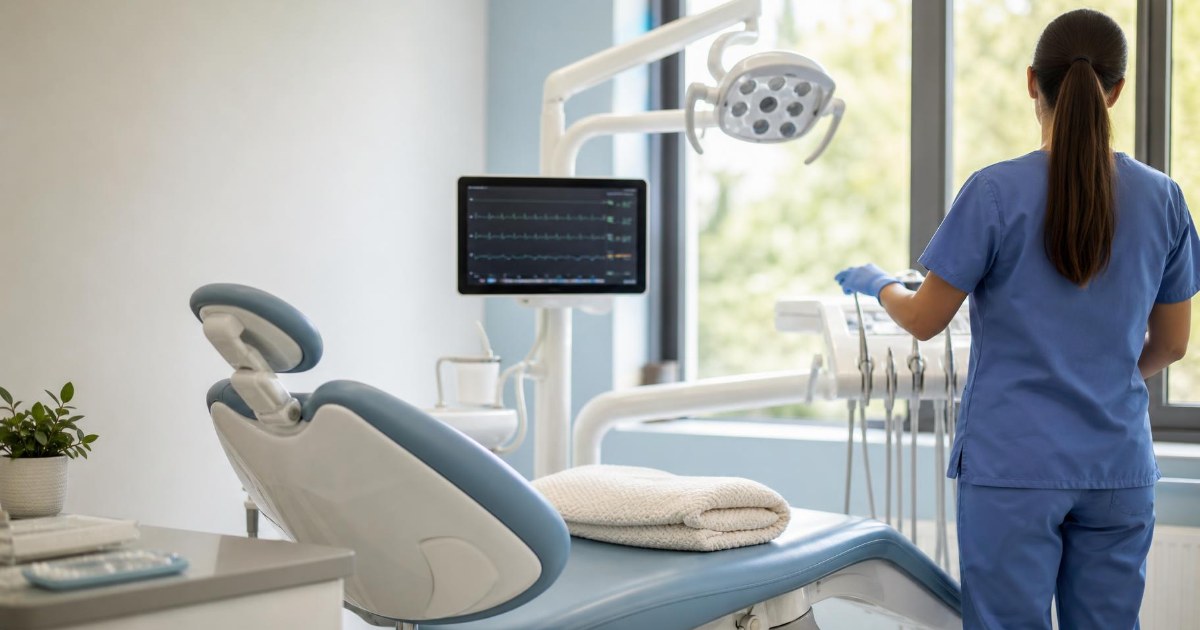
IV sedation is a way to help you relax deeply during dental treatment. A small needle is placed in your arm or hand, and sedative medication travels through a thin tube into your bloodstream. You stay in a semi-awake state, calm and comfortable, and many patients remember very little of the visit. Nitrous oxide works differently: you breathe a mild gas and stay fully alert. General anesthesia works differently again, because you are fully asleep.
It makes sense to wonder whether IV sedation is safe. It involves a needle and a deeper level of relaxation than gas, and that deserves a clear answer before you say yes. Nervousness about the dentist is common. A 2025 national survey published in JADA found that nearly 73% of U.S. adults report some fear of going to the dentist, and more than a quarter describe that fear as severe. Sedation options exist for those patients.
How Safe Is IV Sedation, Really?
IV sedation dentistry safety is easiest to judge with numbers. A review of more than 20 studies covering over 71 million dental patients found about 3 deaths per million dental anesthesia patients. That figure counts every type of dental anesthesia, including general anesthesia, which the authors describe as the type with the highest risk, along with sedation and local anesthesia. It does not separate out IV sedation on its own, and no Massachusetts-specific figure has been published.
The same review found that the rate roughly halved between the 1950s and 2012, falling from 6.2 per million to 3 per million. The authors link that drop to advances in anesthetic technique. They also noted that the rare deaths they counted were mostly seen in patients with compromised health, which is why a careful health review comes before any sedation visit.
In practice, three things make IV sedation safer. Your dentist reviews your health history before the appointment. Your heart rate, blood pressure and oxygen level are watched throughout the procedure. And trained staff stay with you from start to finish. At MGS Dental, our team tracks your vitals during your whole visit, and the medication can be adjusted to your comfort level as treatment goes on.
Side effects fall into two groups, and they are not equally likely. The common ones are mild and short-lived: grogginess, a little nausea and sometimes a small bruise where the IV was placed. Serious reactions, such as an allergic reaction or a breathing difficulty, are rare. Monitoring and emergency training exist so that a team can spot one early and respond right away.
The Training and Licensing Behind That Safety
A dentist cannot offer IV sedation on the strength of dental school alone. In Massachusetts, the Board of Registration in Dentistry requires a separate anesthesia permit for each level of sedation. Permit B covers moderate sedation. To receive it, a dentist must show current Advanced Cardiac Life Support or Pediatric Advanced Life Support certification and meet educational qualifications. The practice itself must also hold a facility permit before sedation can be given in the office.
National guidelines add to this. The American Dental Association's guidelines call for at least 60 hours of classroom training, plus a course in managing emergencies and at least 20 supervised IV cases, before a dentist is considered trained to provide IV moderate sedation.
That is the kind of program Dr. Mikhail Gomer completed at Duquesne University in 2017, earning his IV sedation certification. It is a dated, checkable credential, and it sits behind the IV sedation we offer in Tewksbury for patients with dental anxiety or longer, more complex procedures. If you ever want to know what training a dentist holds, asking is always welcome.
Who Is a Good Candidate for IV Sedation?
Candidacy is a decision made with your dentist, never one made alone at home. Before any sedation visit, a consultation and health history review always come first.
Your IV sedation dentist will ask about several things. Certain heart or lung conditions can change how your body responds to sedative medicine. Liver and kidney function matter because those organs process the medication. A known allergy to a sedative is something your dentist needs to hear about, and so is pregnancy. Your medication list also gets a close look, since some drugs, including blood thinners, can interact with sedation.
Be as complete as you can when you share your history. Mention supplements and over-the-counter products too. If you develop a cold, flu, sore throat or cough before your appointment, let our office know ahead of time so the team can plan around it.
What to Expect on the Day
The day of your appointment is simple to prepare for. Arrange for a responsible adult to come with you and drive you home, because you will not be able to leave the office on your own. Do not eat or drink for 8 hours before your visit, since food in the stomach can enter the airway during sedation. Wear loose clothing with a short-sleeved top so the team can place your IV and monitoring equipment easily, and plan to arrive 15 minutes early.
After treatment, you rest for a short, monitored recovery in our office before heading home with your companion. You can find the complete list of instructions on our IV sedation page, including how to handle medications you take in the morning.
Common Questions About IV Sedation Safety
Will I be monitored the whole time?
Yes. Our team tracks your vitals throughout your visit, from the start of sedation until you are ready to rest in recovery.
Can I drive myself home?
No. A responsible adult needs to drive you home after your recovery period in the office.
Is IV sedation safe for anxious first-time patients?
Many of the patients who ask about sedation are nervous first-timers. A health history review comes first, and your dentist can also talk you through lighter sedation dentistry options such as nitrous oxide.
If dental anxiety or a longer treatment plan has kept you from the care you need, Dr. Mikhail Gomer and the team at MGS Dental are glad to talk it through. You can contact us to ask about IV sedation and whether it fits your visit.

